
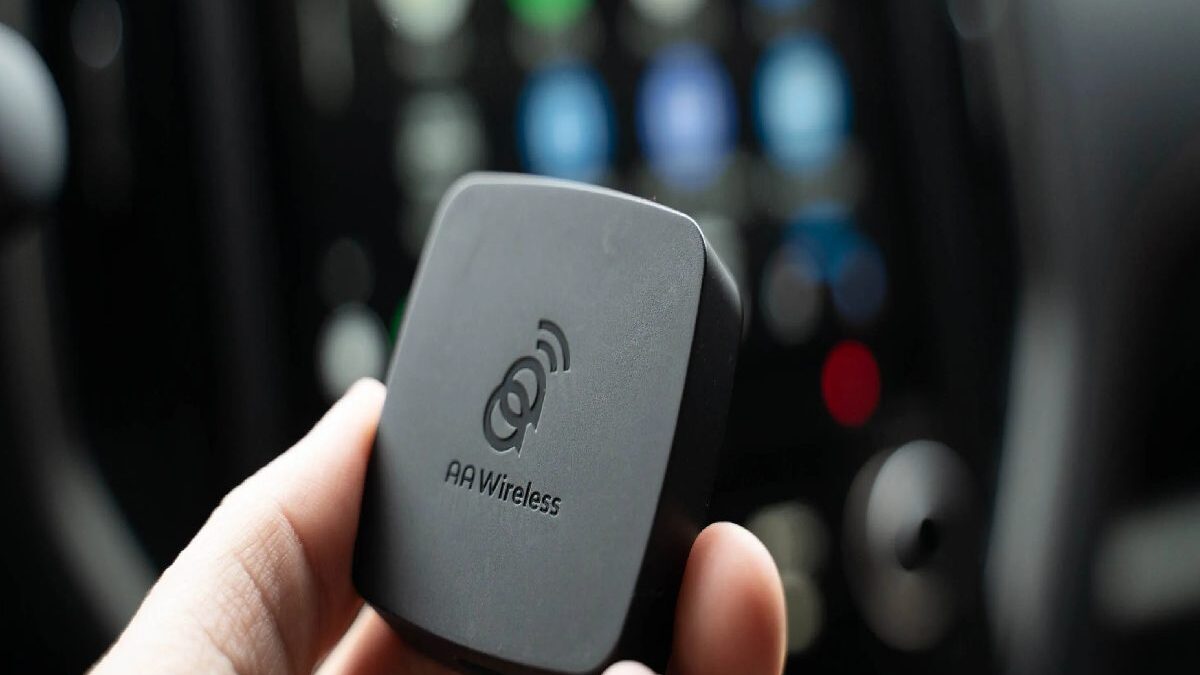
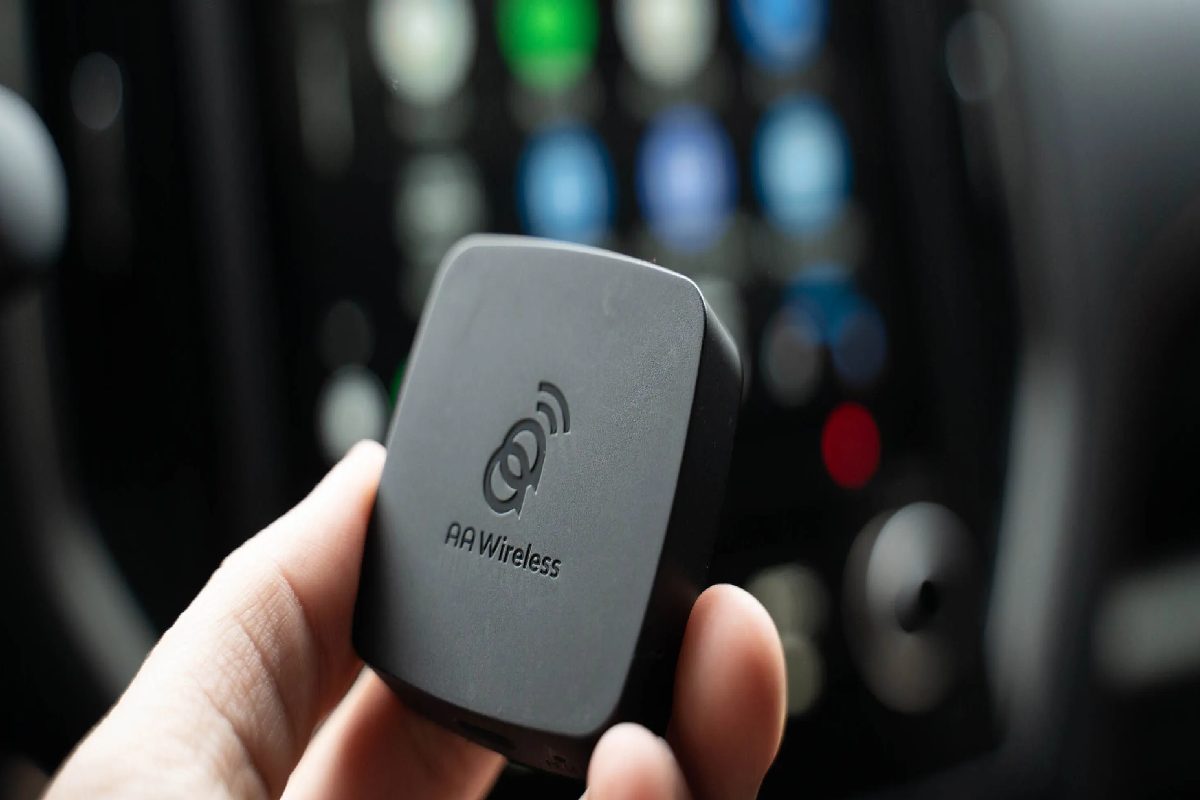
Connecting your Android phone to your car’s infotainment system used to mean digging out a cable every time. With a wireless Android Auto adapter, that’s no longer necessary. These small devices plug into your car’s USB port and let your phone connect over Wi-Fi and Bluetooth no cables, no fuss.
In this guide, you’ll find what to look for, which adapters stand out, real pros and cons, and tips from actual users who’ve tested these devices in the real world. Let’s dive in.
Table of Contents
What Is a Wireless Android Auto Adapter?
A wireless Android Auto adapter turns a wired-only Android Auto system into a wireless one. Most cars built since around 2016 support wired Android Auto — but not wireless. These adapters act as a bridge between your phone and the car, connecting automatically when you start the engine.
Wireless connection works with Bluetooth for the initial pairing and Wi-Fi (usually 5 GHz) for data transmission’
This means navigation, audio, and voice assistants work much like they do with a cable — without the cable.
Top Android Auto Wireless Adapters in 2025
Below is a comparison table based on performance, real-world feedback, and test insights:
| Adapter | Strengths | Ideal For | Notes |
|---|---|---|---|
| AAWireless TWO & Plus | Excellent compatibility & app support | Most users | Easy setup; companion app for updates and troubleshooting |
| Motorola MA1 | Simple, reliable wireless | Android users | Google-licensed tech; plug-and-play |
| CarlinKit 5.0 / Mini Ultra | Supports both Android Auto & CarPlay | Mixed households | Great if you share car with iPhone user |
| Ottocast U2-AIR Pro | Fast connection & stability | Commuters | Quick pairing and solid performance |
| Budget / Feels Generic | Very affordable options | Basic use | Works but may be less reliable — check user feedback |
How to read the table:
-
Strengths highlight what sets each adapter apart.
-
Ideal For helps you pick based on your needs (e.g., family phone sharing vs simple Android use).
-
Notes point out real details from reviews and tests.
What Makes a Good Adapter in 2025
Here’s what you should consider before you buy:
1. Compatibility With Your Car & Phone
Make sure the adapter supports your car’s head unit and your Android version. Some adapters support both Android Auto and Apple CarPlay — great if you share the car.
2. Connection Speed and Stability
Fast pairing and reliable connections matter. Some adapters connect in 10–20 seconds once your phone and car are on.
Wireless isn’t always as fast or stable as wired, but many premium models come very close.
3. App & Firmware Support
Adapters like AAWireless have companion apps for firmware updates — which means better compatibility with new phones and car systems.
4. Real-World Issues to Watch For
Not all experiences are perfect. Users on forums report:
-
Connect/disconnect loops in some cars like Lexus without known fixes.
-
Some adapters take longer to connect in certain conditions.
-
Cheap generic models sometimes fail to connect or require frequent reconnections.
These don’t mean adapters are bad — but compatibility can vary by car model and phone.
How to Set Up Your Wireless Adapter
Here’s a simple step-by-step guide:
-
Plug the adapter into the car’s USB port.
-
Turn on your car and phone Bluetooth.
-
Follow pairing instructions (most use Bluetooth first).
-
Once paired, your phone switches to Wi-Fi for Android Auto.
-
Android Auto should launch without a cable next time.
If it doesn’t work at first, restart your phone or head unit and try again.
Tips From Real Users
Real owners on community forums share useful tips that don’t make it into product pages:
-
Try different Wi-Fi channels if your connection drops.
-
Some adapters may interfere with Bluetooth phone pairing — so keep that in mind if you have multiple devices.
-
Generic adapters sometimes work well enough and cost much less — but they can be less stable over time.
These real experiences help set realistic expectations.
Pros & Cons — Honest Breakdow
Pros:
No cables every trip.
Faster usability — no plugging/unplugging.
Cleaner dashboard and convenience.
Cons:
Slightly slower than wired at times.
Some adapters may disconnect occasionally.
Compatibility isn’t perfect with every car model.
Why Wireless Is Worth It in 2025
Wireless technology has improved a lot. Adapters now use stronger Wi-Fi signals and smarter protocols for fast connection times and more stable performance than ever before.
Many drivers expect convenience — and no cables is now one of the most popular upgrades for infotainment systems that don’t support built-in wireless Android Auto.
Final Thoughts
Choosing the best Android Auto wireless adapter depends on what you value most: speed, reliability, ease of use, or dual support for Android and iPhone. Premium models like AAWireless TWO/Plus and Ottocast U2-AIR Pro tend to offer smoother experiences, while Motorola MA1 and CarlinKit adapters balance simplicity and affordability. For everyday use, most people find wireless Android Auto worth the upgrade.
FAQs
What does “Android Auto Wireless” mean?
Android Auto Wireless lets your phone connect to your car without a USB cable. It uses Bluetooth to start and a Wi-Fi connection to send maps, audio, and apps to your car display.
2. Do I need a special adapter for Android Auto Wireless?
Yes — if your car doesn’t already support built-in wireless Android Auto, you need a wireless adapter. These plug into your car’s USB port and let your phone connect over Bluetooth and Wi-Fi.
3. Why won’t my Android Auto Wireless connect?
There are a few common causes:
• Software updates on your phone or car that break compatibility.
• Interference from other Wi-Fi or Bluetooth devices.
• Power saving settings limiting background connections on your phone.
• Outdated head unit firmware or phone OS.
Restarting the phone and car system often helps.
4. Why does my wireless connection drop while driving?
Wireless Android Auto uses Wi-Fi between the phone and adapter. If other networks or signals interfere, the connection can drop — especially in busy areas with many wireless signals.
Users have also reported drops when notifications arrive or during long drives.
5. Can software updates break Android Auto Wireless?
Yes. Many users in early 2025 reported that Android Auto updates (versions like 13.4 and 13.5) caused wireless connections to fail or disconnect, forcing people back to wired mode.
